 Cleanzine: your weekly cleaning and hygiene industry newsletter 22nd October 2026 Issue no. 1231
Your industry news - first
The original and best - for over 20 years!
We strongly recommend viewing Cleanzine full size in your web browser. Click our masthead above to visit our website version.


Why do people need to be trained to clean?
 By Tommy Taylor, director at T Taylor Solutions – a specialist in driving business transformation through strategic consulting and tailored training solutions…
“For decades, when I have told people what I do for a living, one question has followed me:
‘Why do you need to teach people how to clean?’
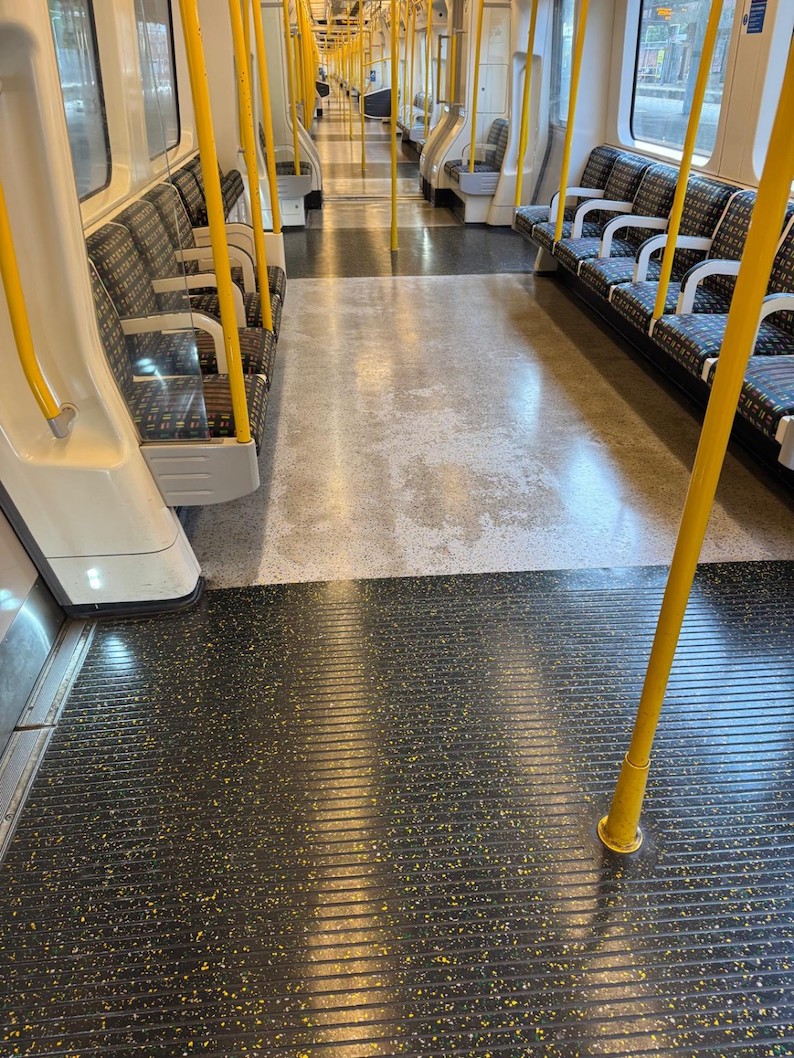
These photographs provide part of the answer…
This London Underground tube train floor appears to have recently undergone some form of polishing or floor-treatment process. I use the word ‘polished’, lightly - because the finished appearance is far from uniform.
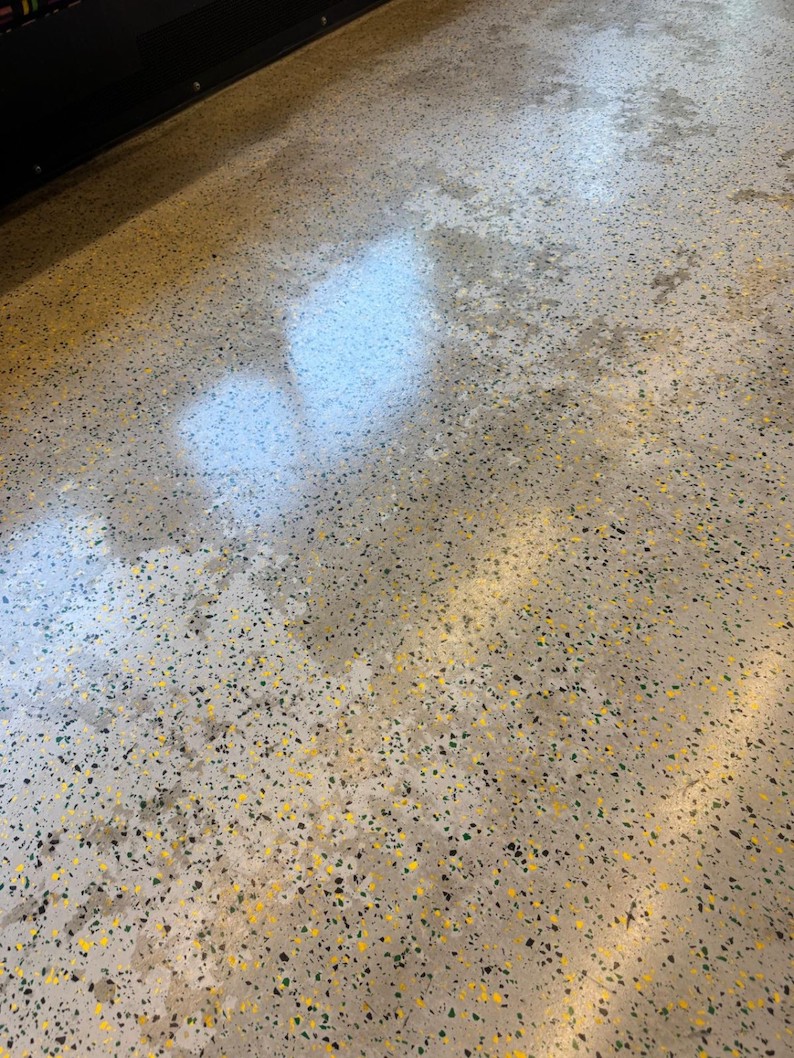 The visible defects include:
• severe patchiness across the floor
• inconsistent levels of gloss
• dull and cloudy areas next to highly reflective areas
• visible applicator, overlap or machine marks
• irregular streaking and mottling
• apparent differences between the centre and edges
• areas that appear untreated alongside areas that may have received too much product
• no consistent finish across adjoining sections of flooring
A photograph cannot confirm the exact cause, product or method used. However, possible contributing factors could include inadequate preparation, residual soil, incorrect chemical dilution, uneven product application, insufficient drying time between stages, unsuitable pads, poor machine technique or failure to complete an effective final inspection.
This is why cleaning is not simply ‘common sense’.
A competent cleaning operative must understand:
• the floor type and its condition
• which product and process are suitable
• whether an existing finish must be cleaned, restored or removed
• correct dilution and application rates
• the appropriate machinery, pads and operating technique
• drying and curing requirements
• how temperature and ventilation may affect the result
• how to inspect the completed floor from different directions and under different lighting
Training, however, cannot stop with the person holding the machine or applicator…
The supervisor or manager responsible for the work must also be competent enough to recognise when preparation is inadequate, when the method is failing and when the completed result should not be accepted.
If the person inspecting the work does not understand floorcare, how can they determine whether the operative has delivered the correct standard?
A certificate of attendance is not the same as competence. Equally, completing a task is not the same as achieving an acceptable outcome.
These photographs do not simply show a poorly presented floor. They show what can happen when technical cleaning is treated as an uncomplicated task rather than a professional process requiring knowledge, practical skill, supervision and quality control.
The question should no longer be:
‘Why do people need to be trained to clean?’
It should be:
‘Why would we allow people to undertake specialist floorcare without proper training, competent supervision and a clearly defined standard?’
Cleaning is a profession. These photographs explain why.”
24th September 2026