 Cleanzine: your weekly cleaning and hygiene industry newsletter 22nd October 2026 Issue no. 1231
Your industry news - first
The original and best - for over 20 years!
We strongly recommend viewing Cleanzine full size in your web browser. Click our masthead above to visit our website version.


AI brings increased visibility to improper waste removal practices
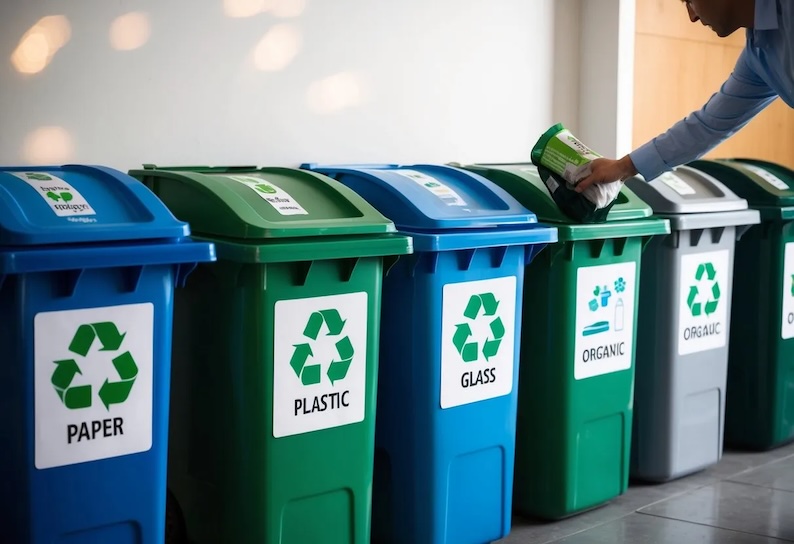 Cappstone, a San Francisco-based commercial cleaning and facilities maintenance company, is sounding the alarm on the need for proper waste sorting. Local companies are already subject to penalties if they fall foul of sorting requirements, but these could rise if proposals go ahead to mandate recycling audits for businesses generating large amounts of waste.
The new rules could cost transgressors up to $1,000 per day in fines, says Cappstone, which helps companies navigate these regulations with proactive waste sorting solutions.
AI plays a significant role in improving sorting and reducing violations. San Francisco has implemented AI-backed sensor technology in bins and garbage trucks to monitor waste patterns in real-time. These sensors help optimise waste collection, reduce overflow, and combat illegal dumping by providing data-driven insights to the city's waste management teams.
"Bay Area companies need to either pay better attention to how their employees dispose of trash or ask their janitorial partners to provide sorting services; otherwise, they risk being fined or audited," says Cappstone CEO Cori Chipman.
Cori points out that the trend of AI-equipped sensors in bins and garbage trucks recently came to her attention and has gained traction very quickly.
"Our goal is to help clients avoid costly fines through simple, proactive measures," she says. "It's no longer enough to just provide clearly labelled receptacles for compostables, paper, plastics, glass and metal - as companies have done for decades. Today, organisations must ensure their teams consistently follow waste-sorting guidelines to stay compliant and sustainable."
Cappstone believes the familiar saying: ‘reduce, reuse, recycle’ still matters, but it no longer captures the complexity of today's waste stream. "With so many new materials, containers and utensils that appear recyclable but aren't, even the most conscientious individuals can feel uncertain about proper disposal," she explains. "We call this 'trash anxiety' - and it's exactly where AI can step in and deliver the clarity and accountability people need to make smarter, more sustainable choices."
Cappstone says that while it recognises that AI will play a major role in the future of waste sorting, the industry still relies on people to make sure companies are in compliance.
30th October 2025